Landmarks
Florence landmarks
Brunelleschi's dome, a bridge lined with goldsmiths and a square full of statues. Most of it fits inside a 20-minute walk.
The sights
10 landmarks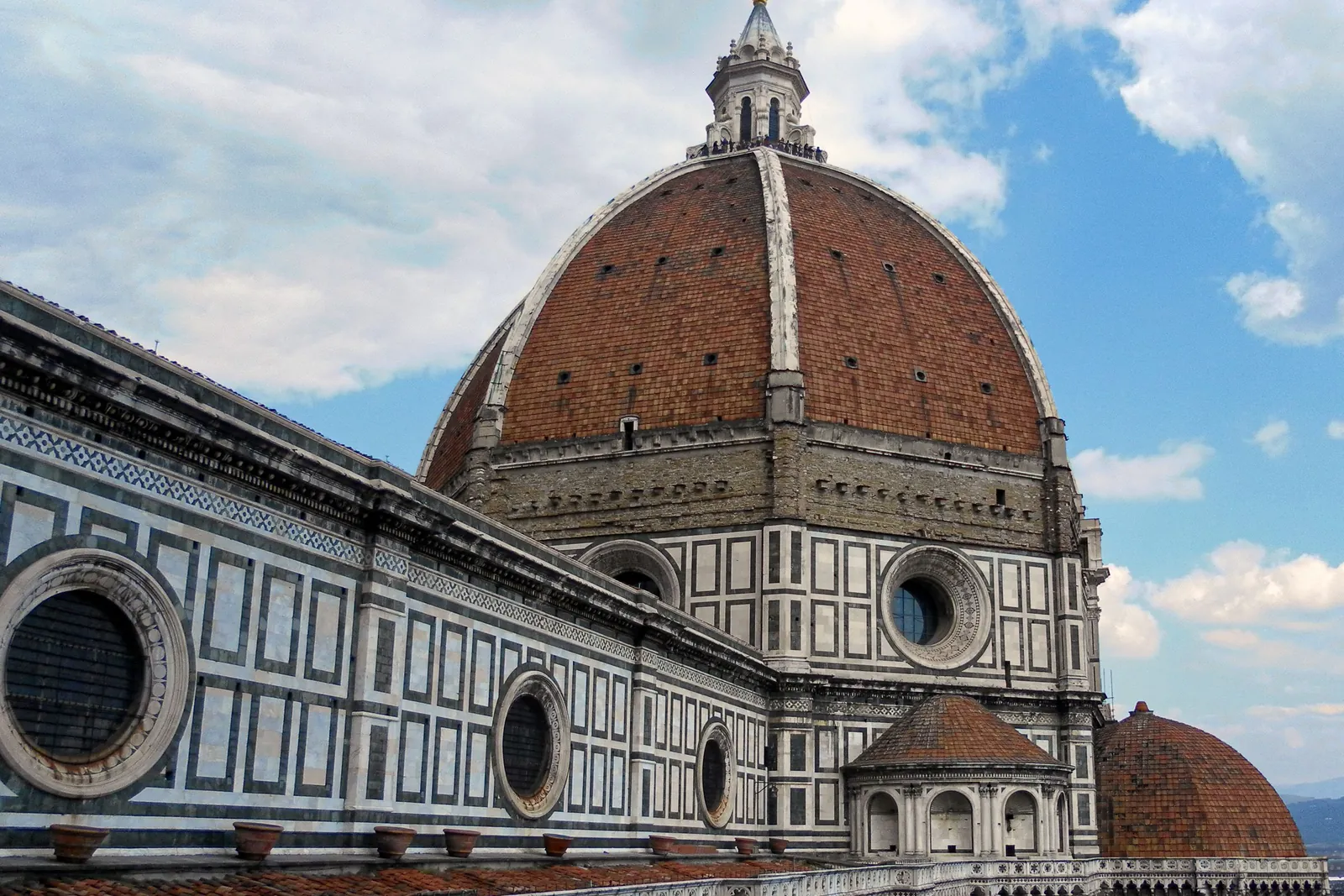
Duomo di Firenze (Santa Maria del Fiore)
Florence's cathedral, finished with Brunelleschi's dome in the 1430s, the largest brick dome ever built. Entry to the cathedral itself is free, with a queue that moves; the dome climb, bell tower, baptistery and museum need a pass from the Opera del Duomo, and the climbs need a booked time slot.
Giotto's Bell Tower
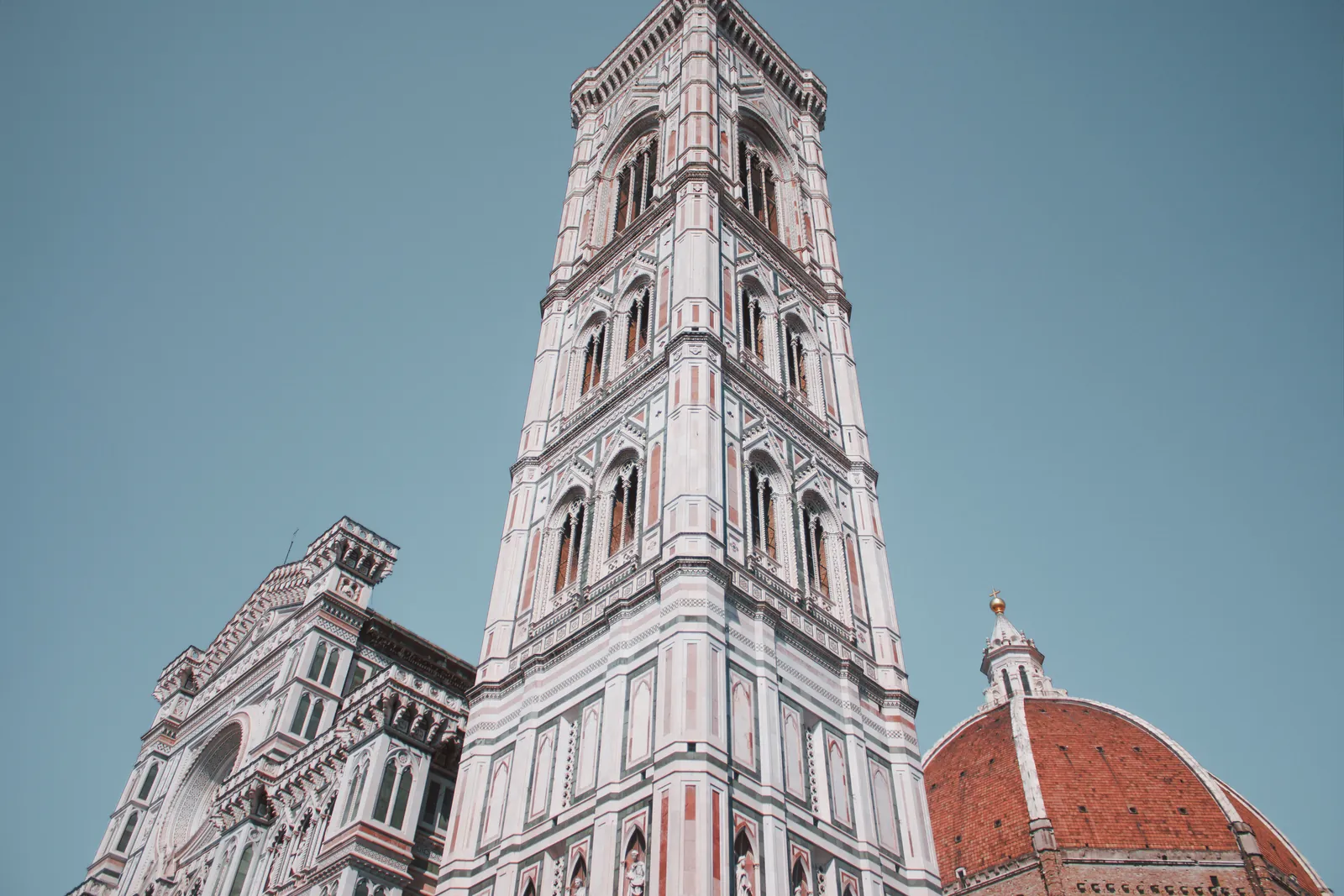
The free-standing bell tower beside the cathedral, begun by Giotto in 1334. The climb is a little over 400 steps with no lift, and the view includes the dome itself, which you cannot see from the top of the dome. Included in the Brunelleschi and Giotto passes; a time slot is required.
Baptistery of San Giovanni
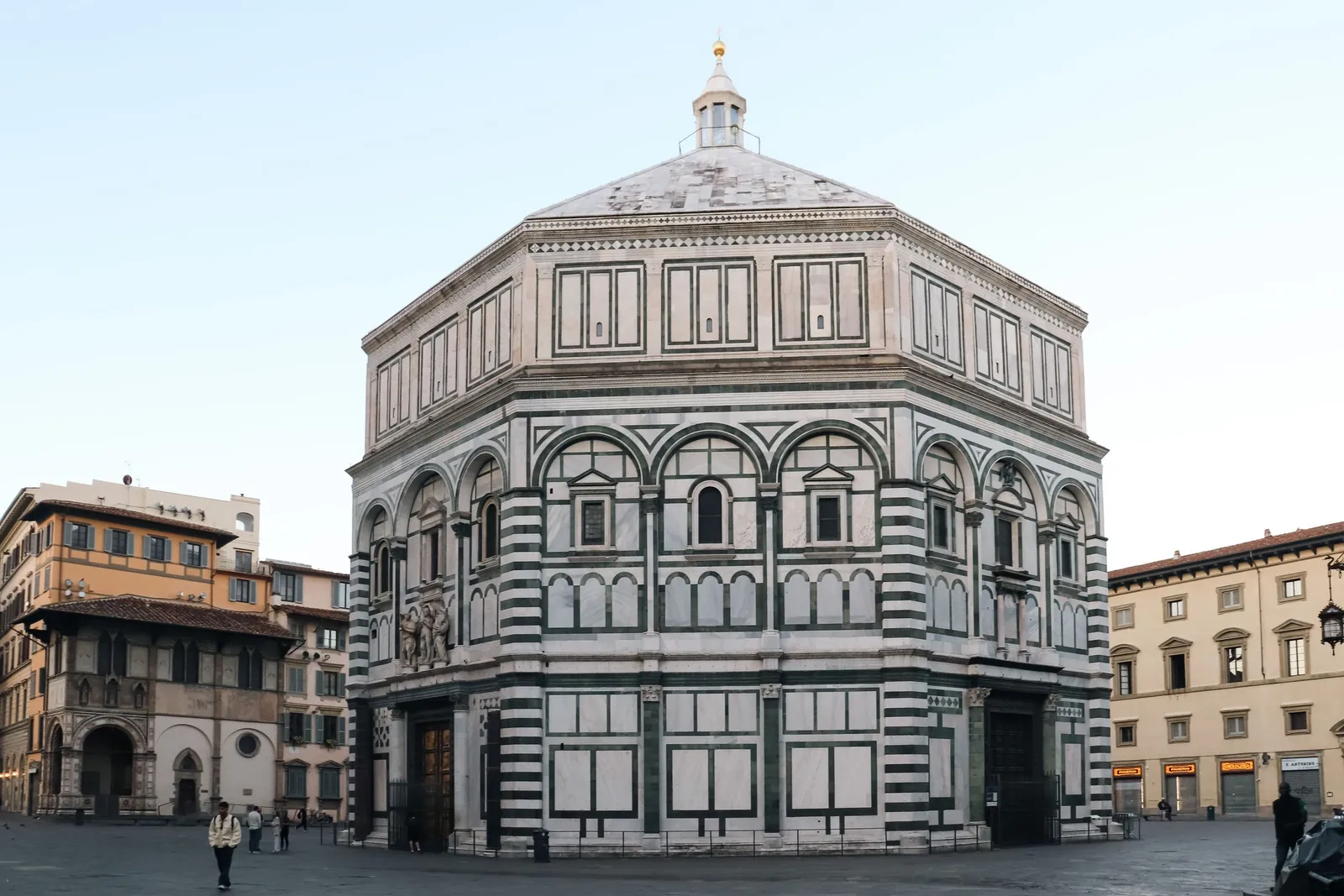
The octagonal baptistery opposite the cathedral, one of the oldest buildings in the city. Its bronze doors are the reason most people stop: the east doors, Ghiberti's 'Gates of Paradise', are copies on the building, with the originals in the Museo dell'Opera del Duomo. Check whether the mosaic ceiling is under restoration before you pay to go in.
Ponte Vecchio
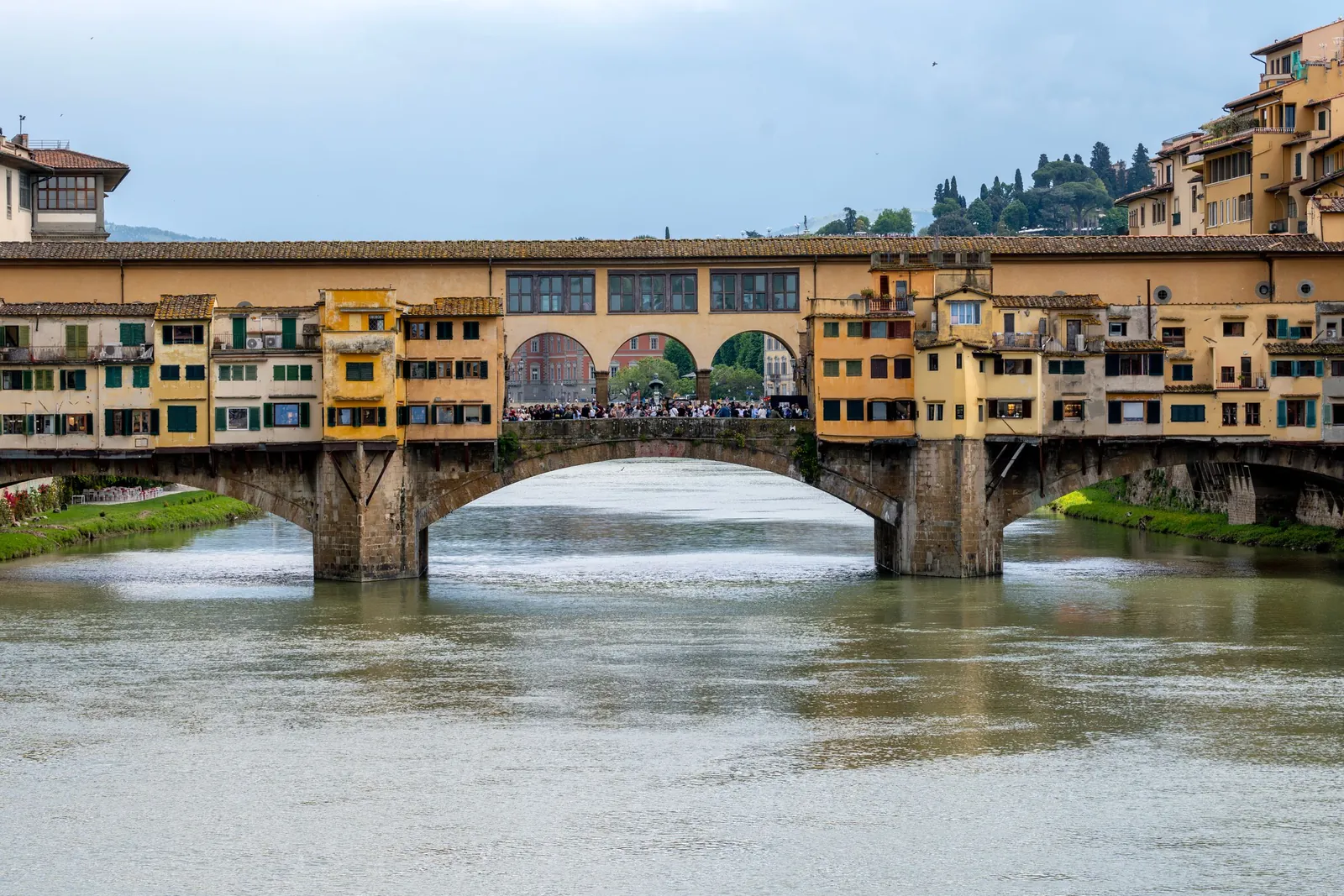
The medieval bridge lined with jewellers' shops, the only Florence bridge not destroyed in 1944. Free to cross at any hour; it is at its emptiest early in the morning, before the shutters open. Above the shops runs the Vasari Corridor, which can be visited on a separate booked ticket from the Uffizi.
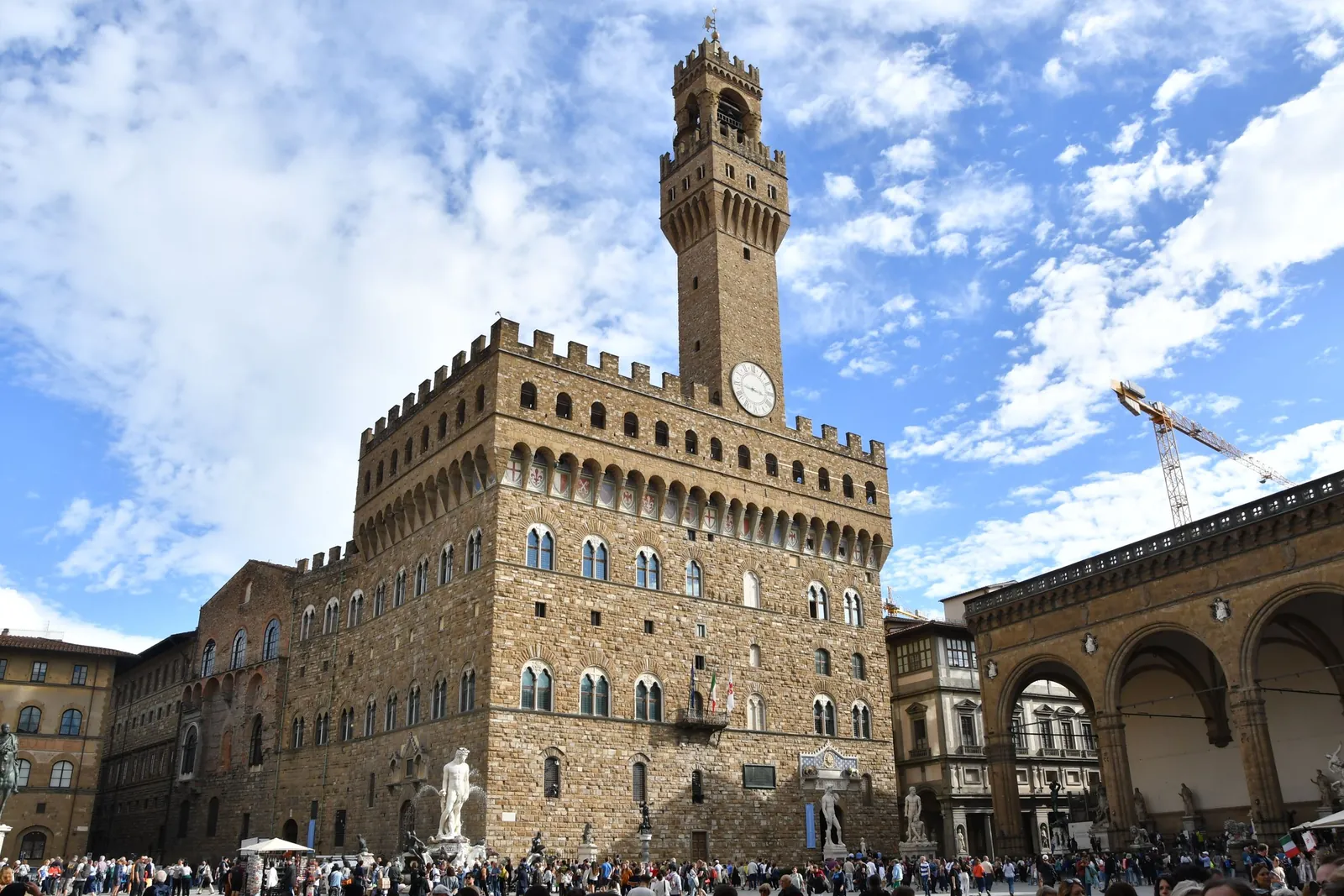
Piazza della Signoria and the Loggia dei Lanzi
The city's political square, in front of Palazzo Vecchio. The open-air Loggia dei Lanzi holds original sculptures, including Cellini's Perseus and Giambologna's Rape of the Sabine Women; the David by the palace door is a copy. Free, and best early in the morning or late in the evening.
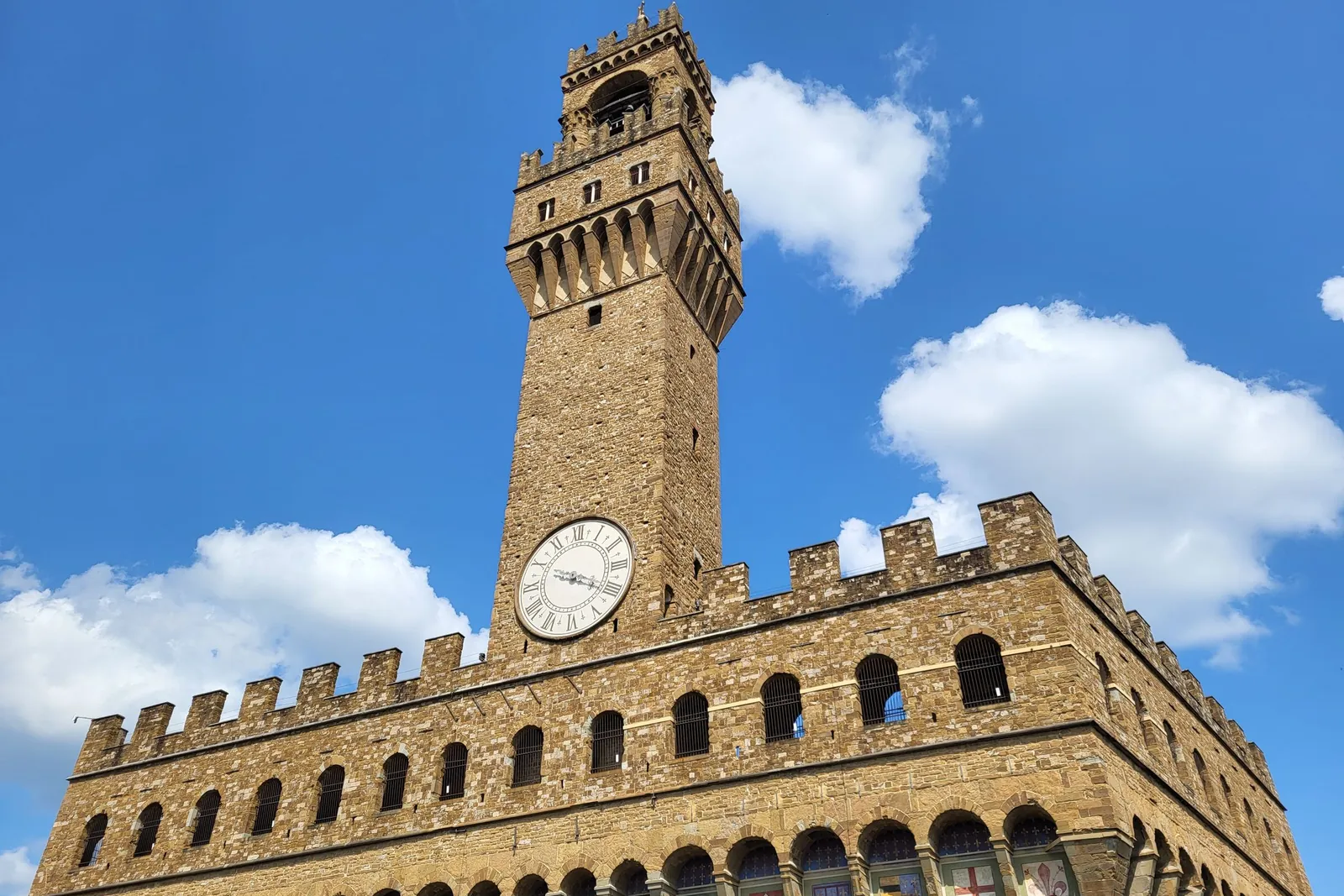
Palazzo Vecchio
Florence's town hall since the 1300s and still in use. Inside, the museum covers the Medici apartments and the vast Salone dei Cinquecento; the Arnolfo tower is a separate, shorter climb with its own rules and is closed in bad weather. Often open later in the evening than the state museums.
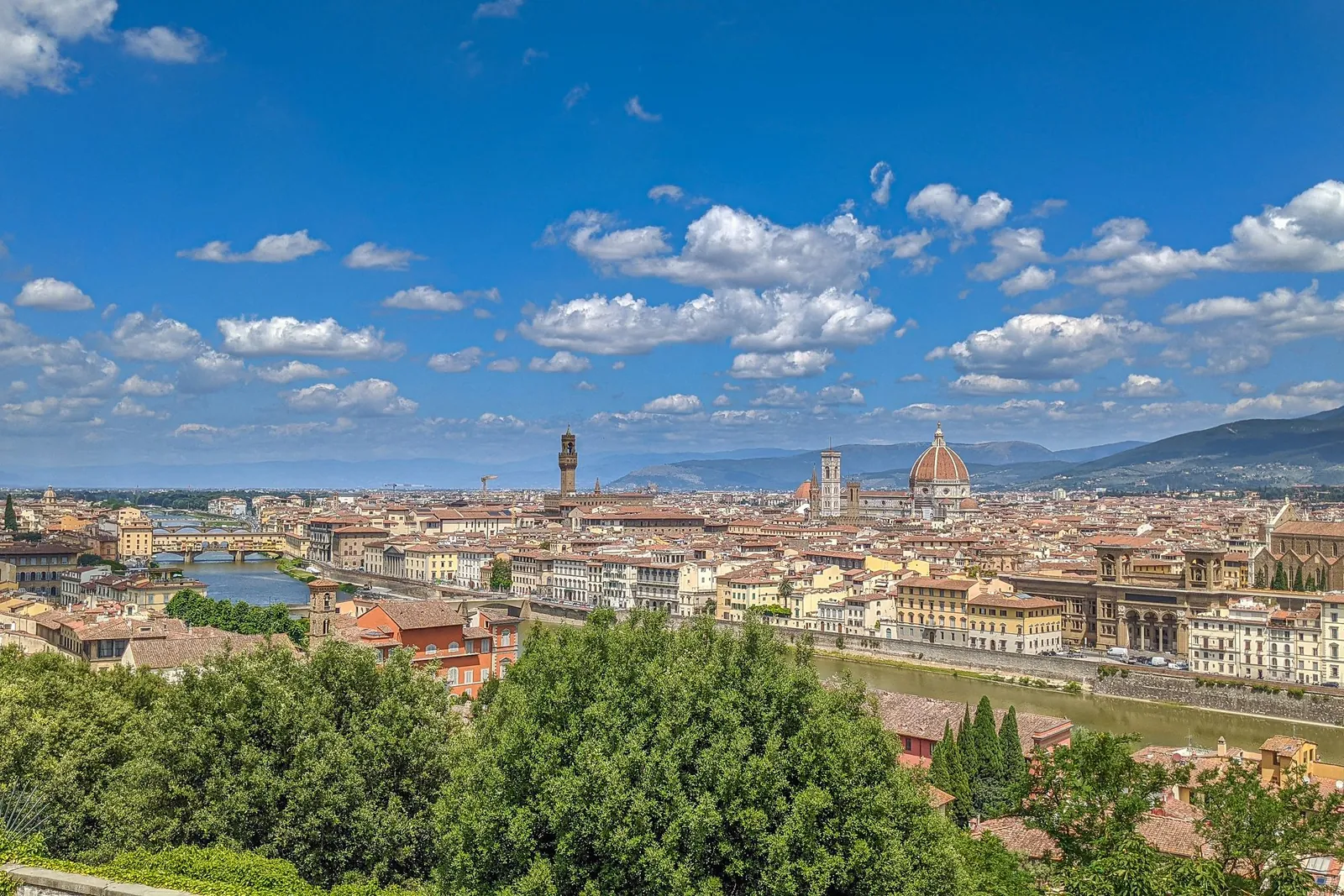
Piazzale Michelangelo
The terrace above San Niccolò with the classic view of the city, the river and the dome. Free and open at all hours. Walk up from Porta San Niccolò in about 15 minutes, come for sunset, and expect company; for a calmer version of the same view, continue up to San Miniato al Monte.
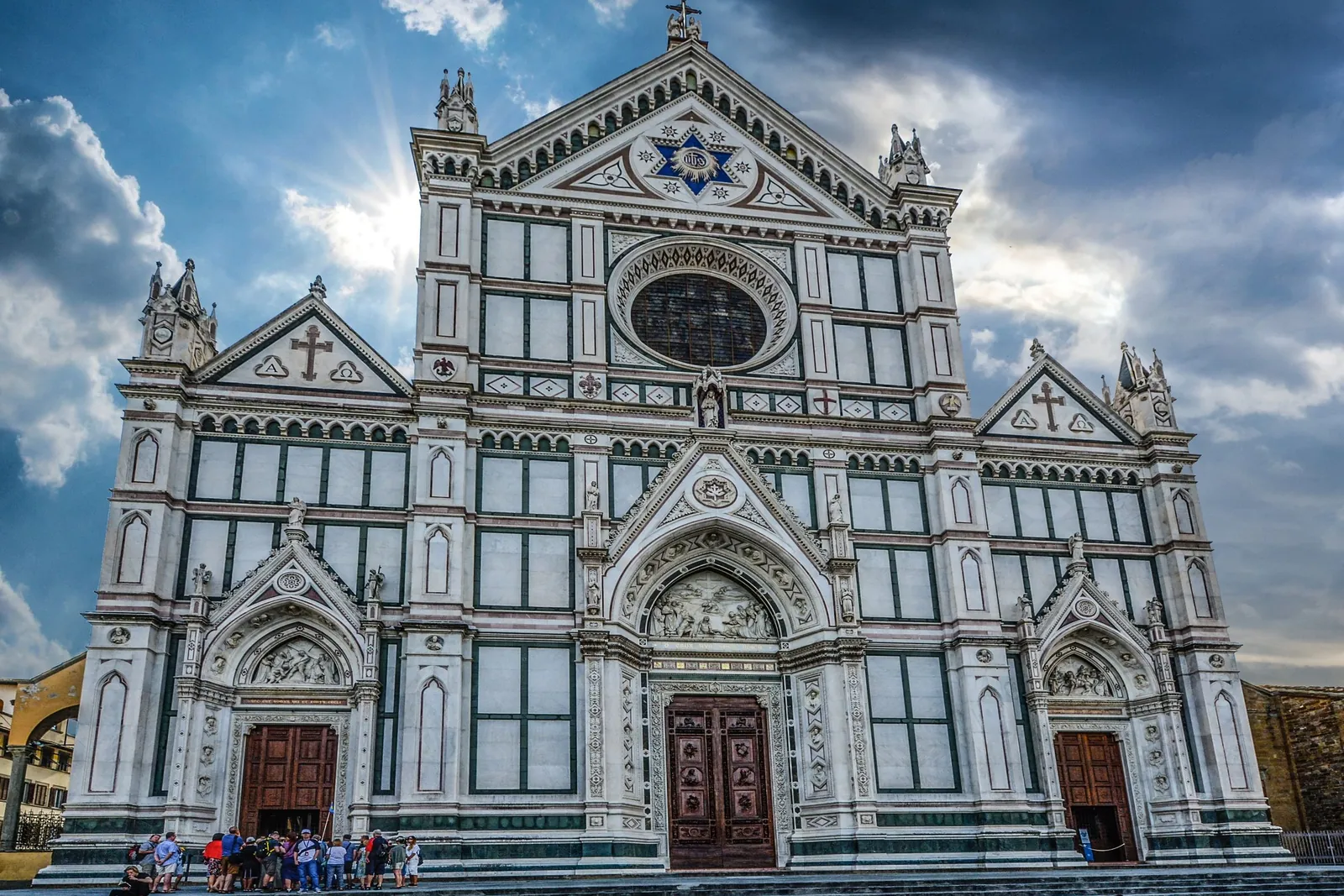
Basilica di Santa Croce
The great Franciscan church of Florence, with the tombs of Michelangelo, Galileo and Machiavelli, Giotto's frescoes in the Bardi and Peruzzi chapels and Brunelleschi's Pazzi Chapel in the cloister. There is an entry fee; allow at least an hour and a half.
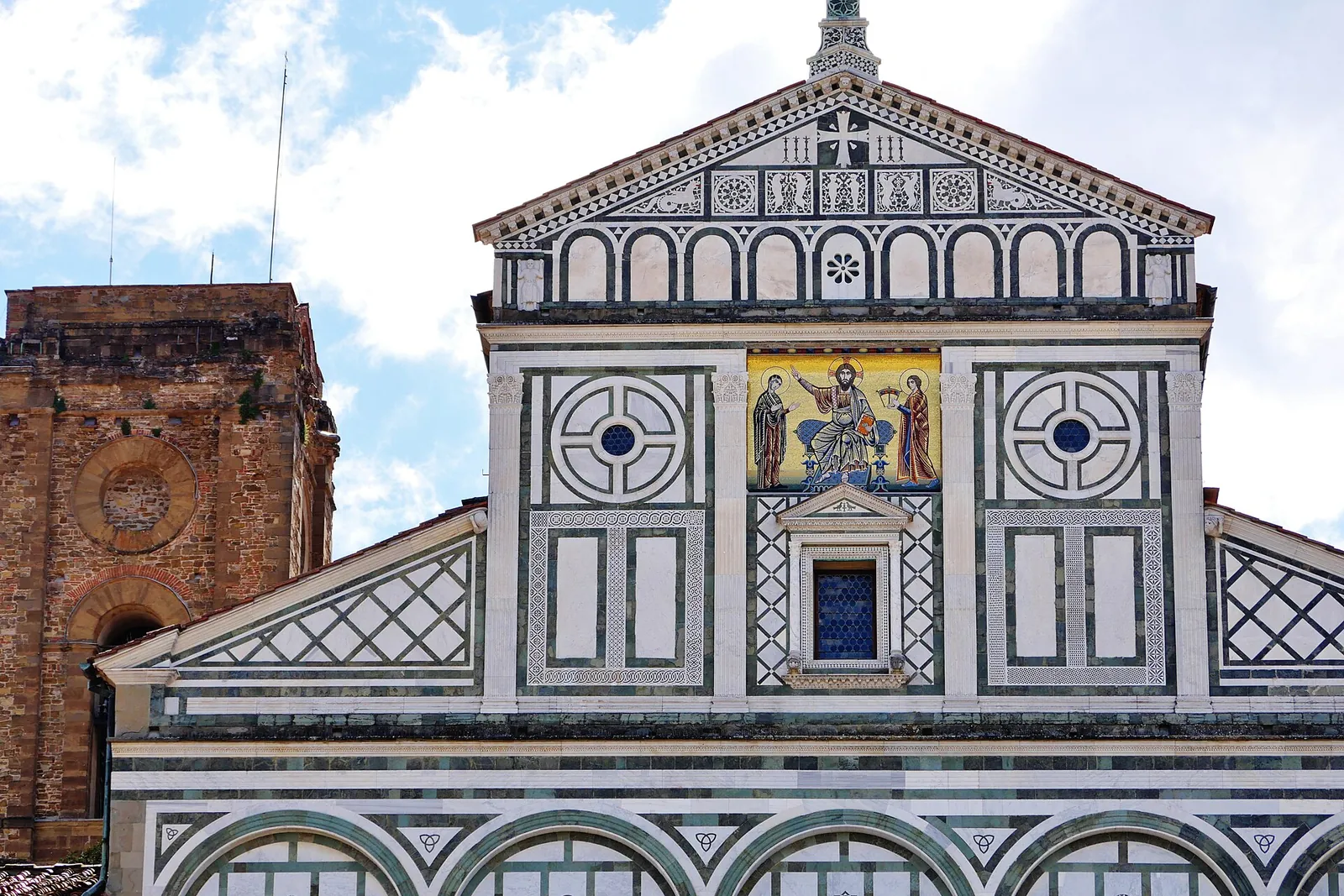
San Miniato al Monte
A Romanesque church on the hill above Piazzale Michelangelo, with a green-and-white marble front, a raised choir and a mosaic apse. The view from the steps is as good as the piazzale's and much quieter. The monks still live here; check the official site for chant times and visiting hours.
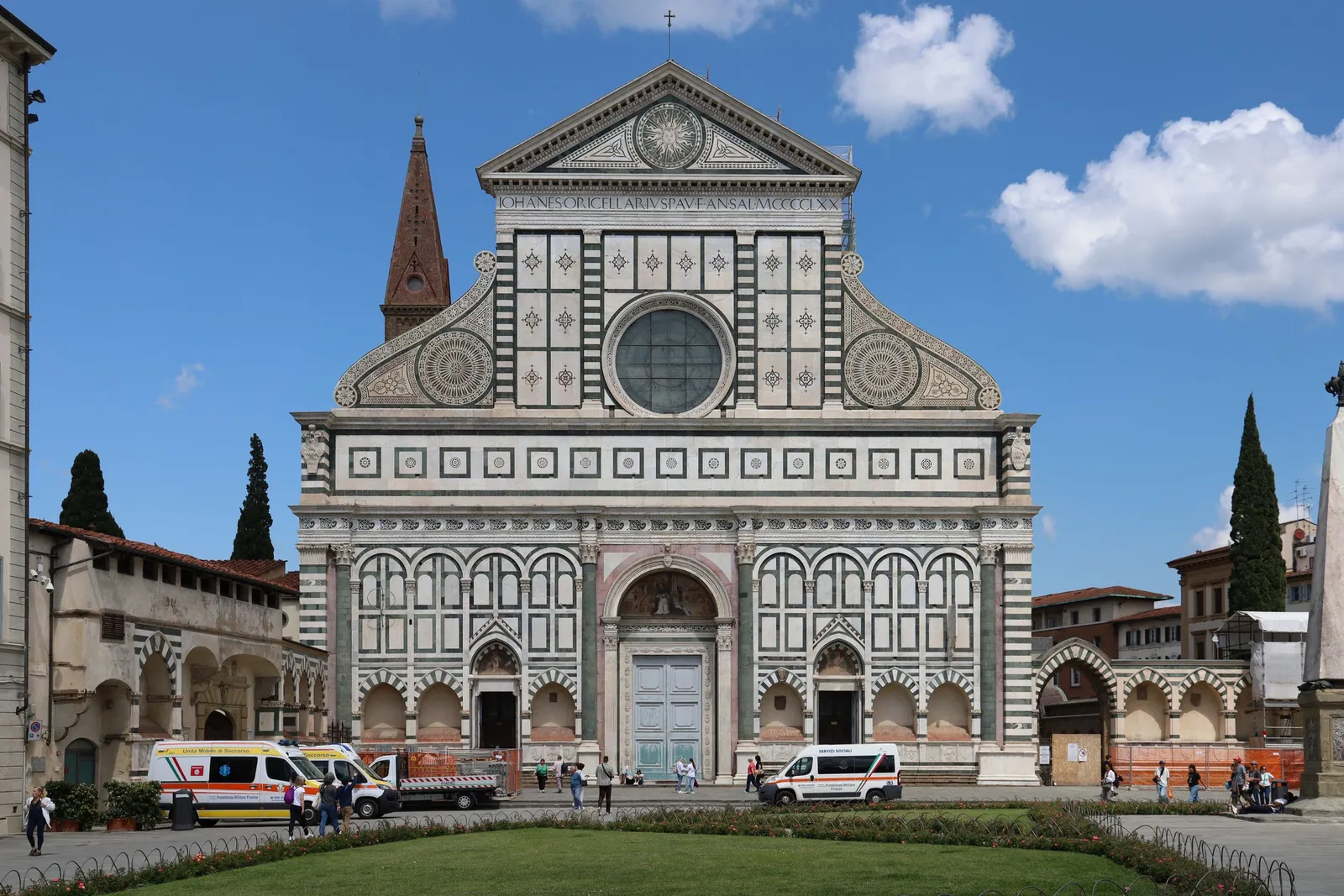
Santa Maria Novella
The Dominican church by the station, with Leon Battista Alberti's marble facade, Masaccio's Trinity and Ghirlandaio's fresco cycle behind the altar. Paid entry includes the cloisters. Rarely as crowded as the cathedral, and a good first or last stop on a train day.
Landmark guides
3 guidesLandmarks
Florence Duomo: Dome Climb, Bell Tower and Tickets Explained
How to visit Florence's cathedral: what is free, which pass you need for the dome climb, how the time slots work, and the order that saves you queuing.
Landmarks
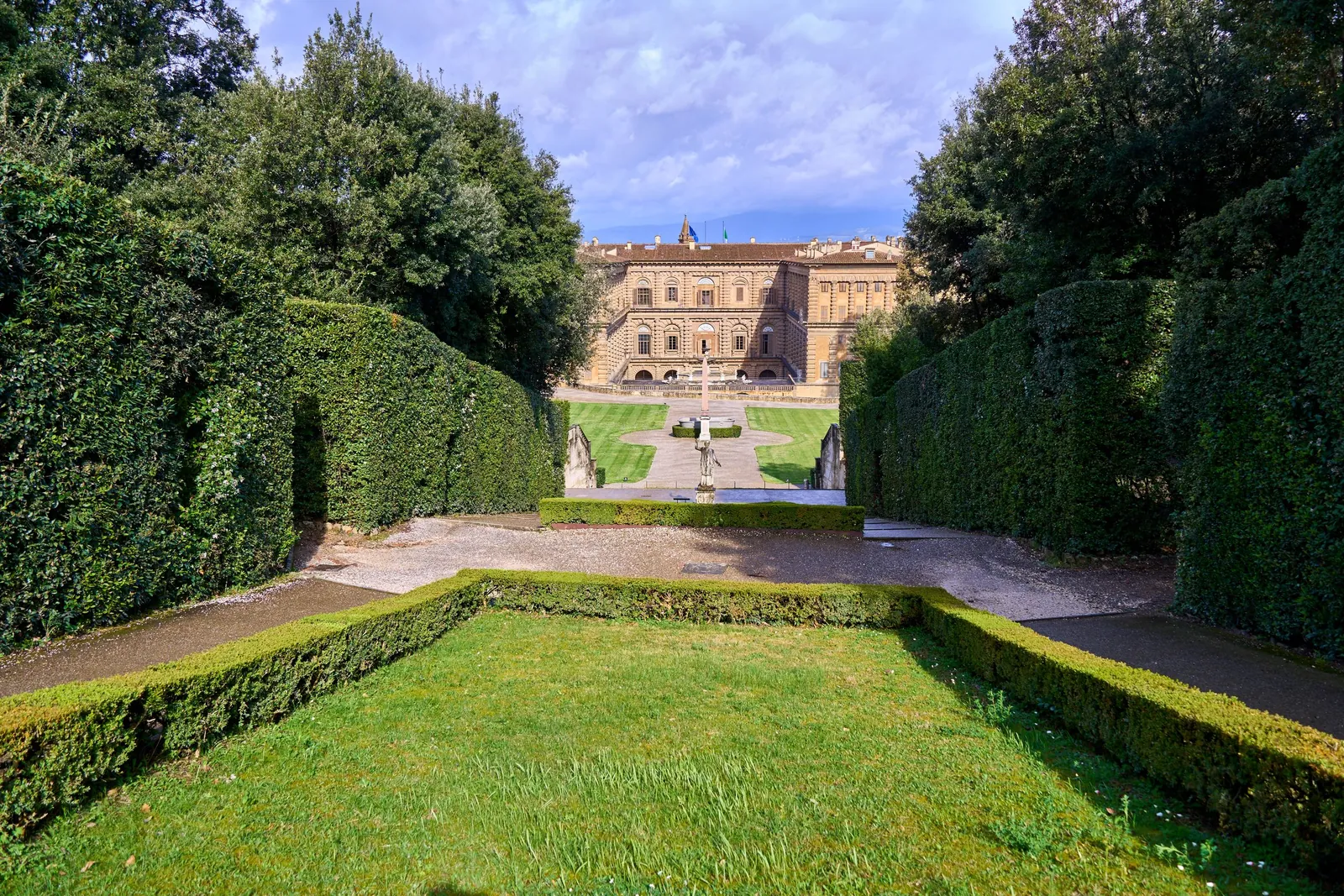
Palazzo Pitti and the Boboli Gardens: A Half-Day on the South Bank
How to visit Palazzo Pitti and the Boboli Gardens: which museums are inside, combined tickets, the best route through the garden, and when to go.
Landmarks
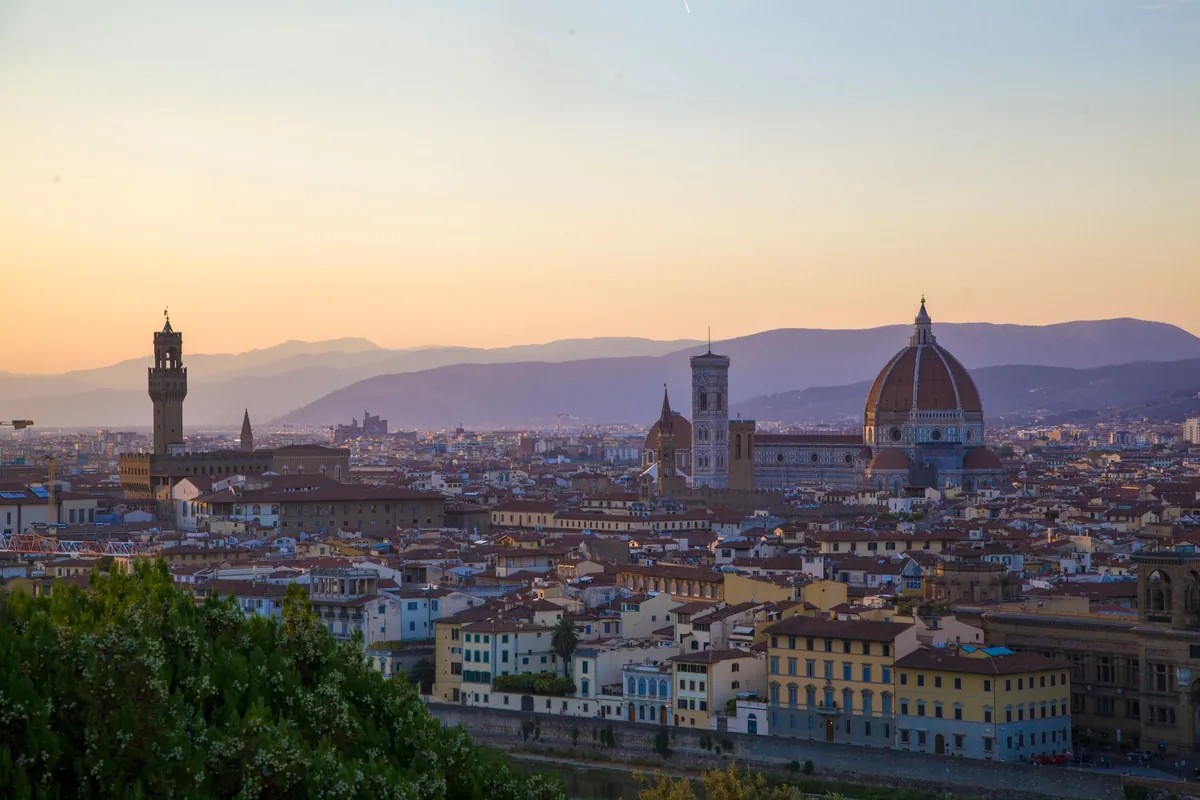
The Best Views in Florence, Free and Paid
Where to see Florence from above: Piazzale Michelangelo and the quieter alternatives, the dome and bell tower, garden terraces, Fiesole and rooftop bars, with timing tips for sunset.
Book an experience
See Florence with a guide
A good guide turns a crowded square into a story about the Medici, Savonarola and the people who built the city.
Partner link. We may earn a commission at no extra cost to you.